Stepping into a shared digital space to sit in silence might feel counterintuitive at first. You might wonder if the connection is real or if you will be expected to perform a certain way. For many, the transition from a solo app-based practice to an online meditation group marks a significant turning point in their mindfulness journey.
It moves meditation from a solitary chore to a shared human experience, even when separated by screens and thousands of miles.
The Ritual of Arriving
When you first click the link to join a session, you are typically greeted by a gallery of faces or a simple welcome screen. Unlike a physical studio where you might feel self-conscious about where to sit or how to move, the digital environment allows you to settle into your own familiar surroundings. Most groups, such as the weekly sitting groups at One Mind Dharma, encourage a relaxed atmosphere. You do not need special equipment; a comfortable chair or a cushion on the floor is all that is required.
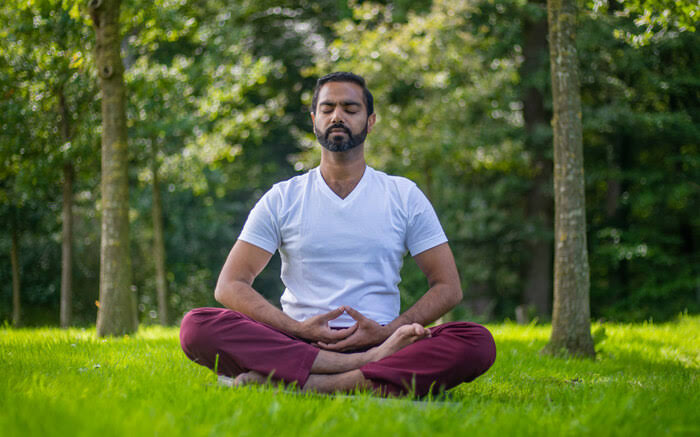
In the first few minutes, the facilitator usually handles logistics, such as ensuring everyone can hear and providing a brief overview of the session theme. This is a time to adjust your posture, dim the lights if you choose, and transition from the busyness of your day into a state of presence.
The Three Pillars of a Session
While every group has its own flavor, a high-quality session generally follows a structured rhythm that balances internal reflection with external learning.
The Guided Meditation
Most sessions begin with a guided period lasting between 15 and 20 minutes. For a beginner, this is incredibly helpful because it provides a roadmap for the mind. The teacher might focus on breath awareness, a body scan, or heart-centered practices like compassion and appreciative joy. Having a live voice to guide you helps anchor your attention when it inevitably starts to drift toward your to-do list.
The Teaching or Dharma Talk
After the period of silence, the facilitator usually offers a short talk, often around 10 minutes. These talks bridge the gap between the cushion and real life. You might hear about the basics of Buddhist philosophy, how to navigate difficult emotions, or ways to bring mindfulness into your relationships. These insights provide the intellectual framework that supports your experiential practice.
Community Discussion and Q&A
The final segment is often dedicated to open dialogue. This is where the concept of "Sangha" or community comes to life. Participants have the opportunity to ask questions about their practice or share observations. You will likely find that the challenges you face—like a restless leg or a loud inner critic—are shared by almost everyone else in the virtual room.
Camera Etiquette and Privacy
A common concern for first-timers is whether they have to be seen. In most online meditation settings, the choice is yours. While keeping your camera on can help foster a sense of accountability and connection, staying off-camera is a perfectly valid way to participate if you feel shy or are in a cluttered environment. The goal is to reduce barriers to practice, not create new ones.
The Power of Shared Silence
There is a unique phenomenon that occurs during a group sit that is hard to replicate alone. Even through a computer screen, there is a palpable sense of collective energy. Knowing that dozens of other people are committed to the same moment of stillness creates a container of support. It becomes easier to stay still for twenty minutes when you know you are part of a larger circle.
Instead of viewing the screen as a barrier, think of it as a bridge. The digital space allows you to access experienced teachers and diverse communities that might not be available in your local town. By joining an online group, you are not just learning a technique; you are joining a global movement toward greater awareness and compassion.
Finding your seat in a virtual circle is an act of self-care that ripples outward. As you become more centered through the support of the group, you carry that steadiness back into your home, your work, and your life. It turns a private habit into a living, breathing community.